The Benefits of Financial Education
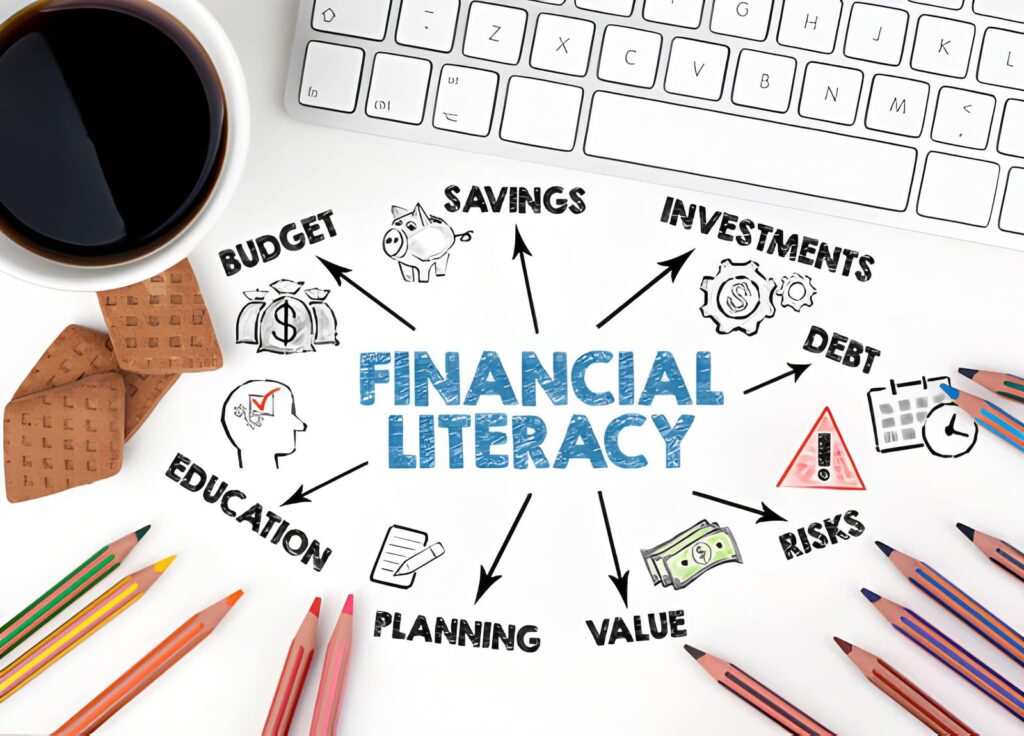
Financial education is an important skill that helps individuals understand how money works and how to make better financial decisions. In today’s world, managing money effectively has become essential for achieving personal goals, reducing financial stress, and creating long-term security. Financial education teaches people how to budget, save, invest, and plan for the future. It provides the knowledge needed to make responsible choices and avoid common financial mistakes. Whether someone is a student, employee, entrepreneur, or family member, understanding financial concepts can improve confidence and create better opportunities. A strong foundation in financial education allows individuals to take control of their finances and build a more stable future.
Understanding Financial Education
Financial education refers to learning the skills and knowledge needed to manage money effectively. It includes understanding income, expenses, saving, investing, budgeting, and financial planning.
Many people face financial challenges because they lack basic knowledge about managing money. Financial education helps individuals understand how their decisions affect their current situation and future goals.
By learning financial skills early, people can develop responsible habits that support lifelong financial success.
Improving Money Management Skills
One of the biggest benefits of financial education is improved money management. When individuals understand how to organize their finances, they can make better decisions about spending and saving.
Financial education teaches people how to create budgets, track expenses, and prioritize important financial goals. These skills help individuals avoid unnecessary spending and use their money more effectively.
Good money management creates greater control and reduces financial uncertainty.
Encouraging Smart Saving Habits
Saving is a key part of financial stability, and financial education helps people understand its importance. Learning how to save regularly allows individuals to prepare for emergencies and future needs.
Financially educated people understand that even small savings can grow over time and provide valuable support during unexpected situations.
Developing saving habits early creates a stronger financial foundation and encourages long-term planning.
Making Better Financial Decisions
Financial education improves decision-making by providing individuals with the knowledge needed to evaluate choices carefully. Whether deciding how to spend money, choose financial products, or plan future goals, informed decisions lead to better outcomes.
People with financial knowledge are more likely to consider risks, compare options, and think about long-term effects before making choices.
Better decisions create greater financial confidence and stability.
Reducing Financial Stress
Money problems are one of the common sources of stress in daily life. Financial education helps reduce this stress by giving individuals the tools to manage their finances effectively.
When people understand budgeting, saving, and planning, they feel more prepared to handle challenges. Knowledge creates confidence and reduces the fear of making financial mistakes.
A better understanding of money contributes to improved emotional and financial well-being.
Preparing for Future Goals
Financial education helps individuals plan for important life goals. Whether saving for education, purchasing a home, starting a business, or preparing for retirement, financial knowledge makes these goals easier to achieve.
Creating a financial plan allows people to set realistic targets and take practical steps toward reaching them.
Future success often depends on the financial decisions made today.
Understanding Responsible Investing
Investing is an important part of building long-term wealth, but it requires knowledge and careful planning. Financial education helps individuals understand basic investment concepts, risks, and opportunities.
Instead of making decisions based on emotions or assumptions, educated investors can research options and make informed choices.
Understanding investments allows people to explore ways to grow their money responsibly.
Building Financial Independence
Financial education supports independence by helping individuals manage their own money effectively. People who understand financial principles are better prepared to handle expenses, make plans, and achieve personal goals.
Financial independence provides greater freedom and confidence because individuals have more control over their financial future.
Learning how to manage money is a valuable life skill that benefits people at every stage.
Teaching Future Generations
Financial education is also important for creating financially responsible communities. Teaching children and young adults about money management helps them develop healthy financial habits from an early age.
Young people who understand saving, budgeting, and responsible spending are more prepared to make smart choices as they grow older.
Passing financial knowledge to future generations creates stronger financial awareness in society.
Creating Long-Term Financial Success
The benefits of financial education extend far beyond short-term improvements. The knowledge and habits gained through financial learning continue to support individuals throughout their lives.
Financial education helps people adapt to changing circumstances, make better decisions, and build lasting security.
Continuous learning about money creates opportunities for personal growth and financial success.
Conclusion
Financial education plays a vital role in helping individuals achieve financial stability and long-term success. It provides the knowledge needed to manage money, make smart decisions, save effectively, and plan for the future. By understanding financial concepts, people can reduce stress, build confidence, and create better opportunities for themselves and their families. Financial education is not just about numbers; it is about developing the skills needed to create a secure and successful life. Investing time in learning about money today can lead to greater financial freedom and stability in the future.